What to Pack for a Luxury Winter Journey to Lapland
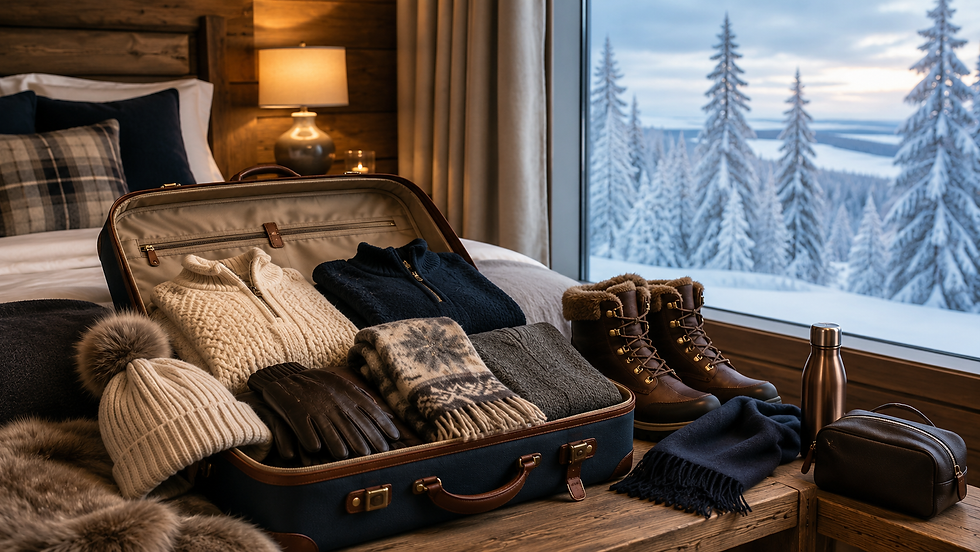
What to Pack for a Luxury Winter Journey to Lapland
Preparing for winter in Finnish Lapland may feel intimidating, particularly when forecasts show temperatures far below those of an ordinary European winter.
The good news is that staying comfortable does not require an enormous suitcase or highly technical expedition equipment. The key is thoughtful layering, warm accessories and understanding which specialist clothing may already be provided during your experiences.
Winter temperatures in Finnish Lapland average around –14°C, although colder periods can occasionally reach approximately –30°C. Conditions vary throughout the season, so checking the forecast shortly before departure remains important.
The most important principle: dress in layers
Several lighter layers are usually more practical than relying on one extremely heavy garment.
Layering allows you to adjust your clothing when moving between heated interiors, vehicles and outdoor experiences.
A practical winter system includes:
A breathable base layer close to the skin
An insulating middle layer
A warm outer layer that protects against snow and wind
Avoid cotton as your main base layer for long outdoor activities because it retains moisture. Merino wool or technical thermal fabrics are generally more suitable.
Base layers
Pack at least two complete thermal sets if your journey lasts several days.
Choose:
long-sleeved thermal tops
thermal leggings
merino wool or moisture-managing fabric
comfortable pieces that fit beneath trousers and knitwear
Your base layer should sit close to the body without feeling restrictive.
For a longer journey, bringing two or three sets allows one to dry while another is being worn.
Insulating middle layers
The middle layer holds warmth between your body and outer clothing.
Useful options include:
wool jumpers
fleece jackets
lightweight insulated jackets
warm knitted cardigans
fleece-lined trousers
Several medium-weight pieces are often more useful than one very bulky sweater.
A thin insulated jacket can also be worn beneath your outer coat on particularly cold evenings.
Your winter coat
For transfers, city visits and time around your accommodation, bring a properly insulated winter coat.
Look for:
good coverage around the hips
a warm hood
wind resistance
enough room for layers underneath
secure pockets
a high collar
For guided safaris and outdoor excursions, many Lapland operators provide thermal overalls and specialist footwear as part of the experience or as rental equipment. Visit Finland specifically notes that winter clothing is often included for activities such as Northern Lights outings and reindeer or husky experiences.
Confirm exactly what is included before packing an additional expedition-style suit.
Winter boots
Footwear is one of the most important parts of your luggage.
Choose boots that are:
insulated
waterproof or highly water-resistant
large enough for warm socks
equipped with a sole suitable for snow
comfortable for walking
Boots that fit too tightly can make your feet feel colder by limiting circulation.
Avoid relying only on fashion boots, smooth leather soles or ordinary trainers. Snowy and icy surfaces require proper grip.
Specialist thermal footwear may be provided during organised excursions, but you will still need dependable personal boots for transfers, restaurants and independent time outdoors. Winter-clothing rental in Rovaniemi can also include thermal footwear and woollen socks.
Socks
Pack several pairs of warm wool or merino-blend socks.
A useful combination is:
a thin moisture-managing sock
a warmer wool sock over it
However, do not add so many layers that the boot becomes tight.
Bring enough pairs to change them regularly, especially after active days or if snow enters your footwear.
Gloves and mittens
Hands lose warmth quickly, particularly during activities involving long periods of standing outdoors.
Pack:
thin touchscreen-compatible liner gloves
insulated waterproof mittens or gloves
an additional spare pair
Mittens are often warmer than gloves because the fingers share heat.
For photography, thin liners allow you to operate your phone or camera briefly without fully exposing your hands.
During very cold conditions, local safety advice recommends carrying additional warm clothing such as extra mittens, a scarf or another insulated layer.
Hat, scarf and neck protection
Bring:
a warm wool or insulated hat
a scarf or neck warmer
optional balaclava for prolonged outdoor experiences
A neck warmer is often easier than a long scarf during snowmobiling, husky rides and other active experiences.
Ensure that your hat covers your ears and fits comfortably beneath a hood or helmet.
Clothing for evenings and private dining
Lapland’s luxury lodges and restaurants are generally warm and relaxed. Formal eveningwear is rarely necessary unless your programme includes a particularly special private occasion.
Pack a few refined but comfortable pieces such as:
wool trousers
elegant knitwear
a simple dress with warm tights
smart boots
a soft jacket or cardigan
one understated evening outfit
The overall atmosphere is usually sophisticated but not rigidly formal.
Choose pieces that travel well and can be worn in several combinations.
Clothing for sauna and wellness experiences
For sauna, spa or ice-floating programmes, bring:
swimwear
simple sandals or flip-flops
a small waterproof bag
moisturiser
hair ties
warm clothing for afterwards
Some locations provide robes, towels and slippers, but check your accommodation or experience details before departure.
After sauna or cold-water activities, warm clothing and hydration are important. Visit Rovaniemi advises wearing warm clothing afterwards and drinking water.
Skin care in Arctic conditions
Cold air outdoors and dry heating indoors can affect the skin quickly.
Consider packing:
rich facial moisturiser
protective lip balm
hand cream
gentle cleanser
sunscreen
hydrating eye drops, when normally used
hair conditioner or treatment
Sun protection still matters, especially later in winter when strong light reflects from the snow.
Choose travel-size products where possible, but do not rely entirely on finding your preferred luxury brands after arrival.
Electronics and photography
Cold temperatures reduce battery life, so pack:
power bank
spare camera batteries
charging cables
plug adaptor, when required
protective camera bag
lens cloth
small tripod, when useful
Keep spare batteries inside an inner pocket close to your body.
Moving cameras directly from extreme cold into a warm room can create condensation. Keep equipment inside its closed bag while it gradually warms.
Useful items people often forget
Small practical items can make a significant difference:
sunglasses
hand and foot warmers
reusable water bottle
medicines and prescriptions
compact backpack
tissues
swimsuit
sleep mask
lip balm
spare gloves
luggage tracker
A sleep mask may be especially useful later in the season when daylight hours increase.
What you may not need to bring
Depending on your programme, you may not need to pack:
expedition-grade thermal overalls
specialist snowmobile clothing
heavy Arctic boots for excursions
flotation suits
helmets
snowshoes
ice-fishing equipment
These items are commonly supplied for organised activities. Many winter destinations in Lapland also offer clothing rental, so purchasing expensive specialist equipment may be unnecessary for a single journey.
Always check the inclusions for each experience before travelling.
A suggested packing checklist
Essential clothing
2–3 thermal tops
2–3 thermal leggings
wool or fleece mid-layers
insulated winter coat
warm trousers
waterproof winter boots
wool socks
hat
neck warmer
insulated gloves or mittens
thin liner gloves
Indoor and evening wear
comfortable knitwear
smart trousers or dress
warm tights
casual indoor shoes
sleepwear
swimsuit
Personal items
moisturiser
lip balm
sunscreen
medicines
chargers
power bank
sunglasses
small day bag
Pack for your itinerary, not only the temperature
A guest spending most of the journey in private vehicles, luxury lodges and short guided experiences will need something different from someone snowshoeing for several hours or travelling by snowmobile.
Before packing, review:
how long you will remain outdoors
whether specialist clothing is supplied
how active each experience will be
whether you have formal private dinners
whether your accommodation includes sauna or spa facilities
the expected weather shortly before arrival
The most comfortable packing list is one created around the actual journey.
Travel comfortably, without overpacking
A winter journey to Lapland should feel effortless, not like an expedition you must manage alone.
With the correct layers, reliable footwear and a few thoughtfully chosen accessories, you can remain comfortable while still travelling elegantly.
At VIP Arctic, we advise guests according to their itinerary and confirm which winter equipment is included for each private experience.
Explore our private Arctic experiences or contact our team for personalised guidance before your journey.
Comments